 Canned Oceans and Dehydrated Selves: Hawkwind, Panopticism, and the Future We Allowed
Hawkwind’s early 1970s science-fiction vision, such as the short poem “Welcome to the Future” feels increasingly difficult to dismiss as mere psychedelic theatre. Emerging from the world of Space Ritual, recorded in 1972 and released in 1973, the song belongs to a period when ecological anxiety, technological control, consumer society, and the future of human consciousness were already pressing against the edges of popular culture. Hawkwind were not simply imagining rockets and distant planets. They were staging a warning about the human future.
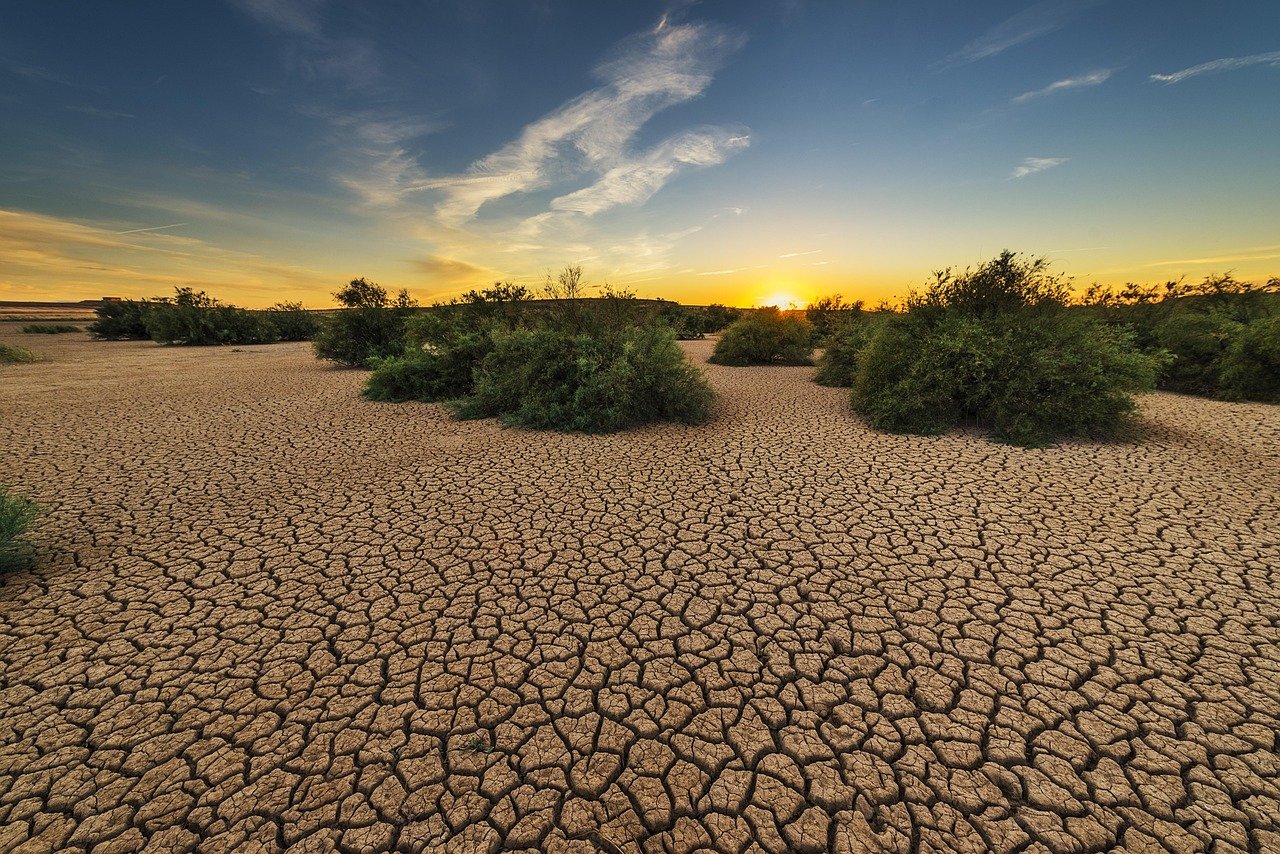
One of the most striking images is that of “dehydrated lands.” Read literally, it appears almost prophetic. Today, climate science confirms that global warming is intensifying the water cycle, producing more extreme rainfall in some regions and more severe drought in others. The IPCC has warned that climate change is already altering water systems and increasing risks to both human and natural life.
But the lyric is not only ecological. It is also spiritual, psychological, and social. Dehydration means that water has been removed. If water is life, then a dehydrated land is not merely dry soil; it is a world from which life-force has been extracted. It suggests a society that has lost contact with the living source: nature, instinct, authenticity, compassion, imagination, and direct experience.
This becomes clearer when we consider the image of the ocean contained inside a labelled, “canned” product. The ocean is vast, living, unpredictable, relational. It cannot truly be owned, reduced, or contained. Yet consumer society constantly attempts this operation: it packages the living world, brands it, sells it, and asks us to trust the label rather than the thing itself.
The label becomes more important than the reality.
This is not limited to food, water, cosmetics, medicine, or lifestyle products. The same process is applied to people. Human beings are also labelled, classified, diagnosed, profiled, sorted, advertised to, managed, and made legible to systems of power. A living person becomes a category. The wave is removed from the ocean and placed in a container.
There is a familiar saying that the individual is like a wave in the ocean. The wave appears separate, but it is never truly apart from the whole. The ocean is the living collective field, and each wave is a unique expression of it. Hawkwind’s image reverses this. The living field is canned. The ocean is standardised. The wave is no longer allowed to move according to its own force; it must match the label printed on the outside.
This is how homogenisation works. Labels appear to create diversity: normal and abnormal, successful and failed, healthy and unhealthy, desirable and undesirable, safe and dangerous. But beneath those apparent differences, a single system is being imposed. Everyone is invited, pressured, or coerced to understand themselves through the same grid of classification.
The label divides, but the labelling system homogenises.
The next movement of the lyric concerns self-policing. This is where Michel Foucault’s theory of panopticism becomes essential. In Discipline and Punish, Foucault discusses Jeremy Bentham’s Panopticon: a prison design in which inmates could never know when they were being watched. The result was not merely surveillance from outside, but internalised surveillance. The prisoner begins to behave as though watched at all times. Foucault describes the effect as a state of conscious and permanent visibility that allows power to function automatically.
This is the future Hawkwind seems to anticipate: not only a world watched by authorities, but a world in which people learn to watch themselves and others.
Self-policing is the internal form of panopticism. The person censors their words before speaking, adjusts their expression before being judged, hides unacceptable emotions, and gradually learns to become the observer of their own compliance. The guard tower is no longer outside. It has been installed inside the mind.
But the process does not stop there. Once people learn to police themselves, they often begin policing one another. The crowd becomes the watchtower. Families, workplaces, peer groups, institutions, political movements, online audiences, and social networks can all become enforcers of the approved mask.
Masking enters the picture.
A mask is not the same as a boundary. A boundary protects truth. It says: this is what I will or will not do, because this reflects what I am. A mask, by contrast, filters and manipulates the visible self in order to satisfy an audience. It says: this version of me is permitted here; that version must be hidden.
Under panoptic pressure, the mask becomes more than a social convenience. It becomes a survival strategy. The individual learns which parts of the self are acceptable, which are risky, which are marketable, which are shameful, and which must never be seen. If the person is watched by many audiences at once, the mask becomes multidimensional. The self is split into compartments, each governed by its own rules of presentation.
Over time, this masking can become sensory. A person may learn not only to say the approved thing, but to desire the approved product, enjoy the approved taste, admire the approved image, fear the approved enemy, and see the world through the approved label. The mask becomes a lens. It alters perception itself.
That is how consumerism, diagnosis, influencing, branding, and moral labelling can converge. We do not merely buy products; we buy permission to belong. We do not merely accept categories; we learn to perceive through them. We do not merely perform identity; we become anxious when others fail to perform theirs correctly.
People-policing then becomes mask-policing. It demands that everyone wear the right face.
This can be especially destructive when a diagnosis or social label becomes a warrant for increased observation. A person expresses fear that they are being watched. Others dismiss the fear, route the person into a diagnostic framework, then begin watching them more closely. The person notices the increased scrutiny, but that observation is then taken as further proof of the label. In this way, a label can entrench the scapegoat. It does not merely describe a person; it reorganises the social field around them.
The result is a loop: surveillance produces distress, distress produces classification, classification produces more surveillance, and the intensified surveillance is used to justify the classification.
Diagnostic panopticism.
At the social level, the same pattern repeats through consumer identity and ideological sorting. People are encouraged to become containers with labels: productive, disordered, successful, toxic, gifted, dangerous, employable, problematic, enlightened, sick, normal. The label claims to explain the contents. The person is pressured to become what the label says they are.
The living ocean of the self is reduced to inventory.
This is why the dehydrated-land image has such force. It does not only describe ecological ruin. It also describes the loss of the living self under systems of classification and surveillance. A dehydrated society is one in which people have been separated from the water of life: authenticity, direct experience, unbranded perception, organic community, and the courage to be seen without falsification.
The World We Made
The future imagined here is therefore not simply imposed from above. It is co-created. It requires institutions that classify, markets that package, technologies that observe, and people who agree to police themselves and one another. It requires us to prefer the label to the thing, the mask to the face, the category to the person, the product to the ocean.
That is why the closing idea matters so much. These are not merely the days that arrived. They are the days we participated in making.
The warning is not hopeless. If this future depends on our participation, then resistance begins with withdrawing that participation. Not by retreating into secrecy, but by refusing to let the watcher become the editor of the self. By refusing to let labels replace living reality. By strengthening boundaries so that masks become unnecessary.
The ocean cannot live in a can. The self cannot live inside a label. A society that forgets this will become dry, managed, and obedient. A society that remembers it may yet recover the water of its oceans.


0 Comments